Blog
How technology can help homebuyers and builders?
Published 12 Oct 2026
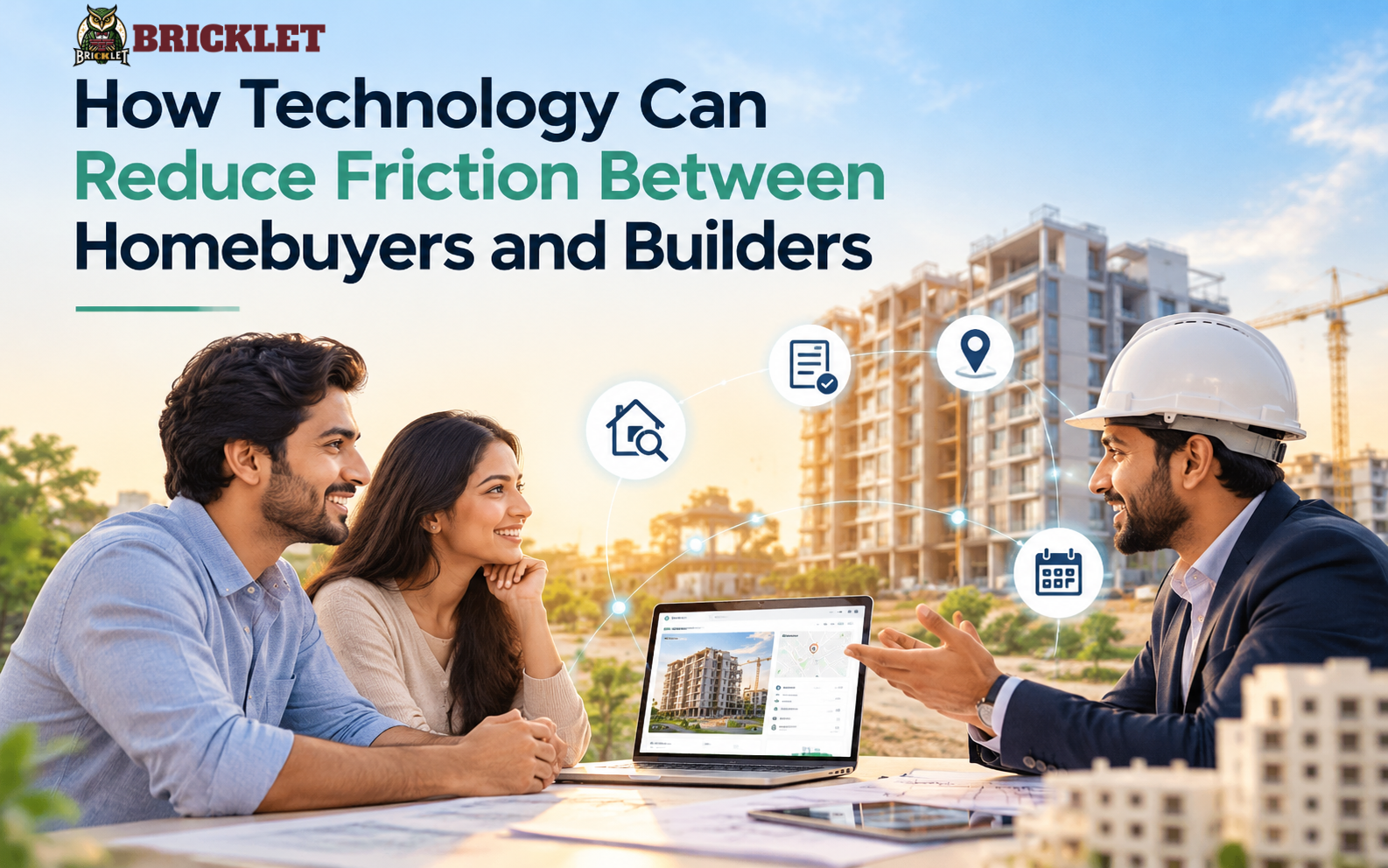
How Technology Can Reduce Friction Between Homebuyers and Builders
Buying a home is one of the biggest financial decisions a person makes. Yet, the process of finding the right property, speaking with builders, comparing projects and eventually making a purchase can still be surprisingly complicated.
For homebuyers, the challenge is often finding reliable information and getting timely responses. For builders, the challenge is managing a large number of enquiries while identifying buyers who are genuinely interested. Technology is increasingly helping both sides communicate better and reduce unnecessary friction.
What challenges do homebuyers face?
A typical homebuyer may search across several property platforms, social media pages and builder websites before finding a suitable project. They may then have to make multiple calls to understand pricing, availability, location, amenities and possession timelines.
The problem is not always a lack of information. Often, it is the difficulty of finding the right information at the right time.
A well-designed digital property platform can bring relevant information together and allow buyers to narrow their search according to their budget, location, property type and other requirements.
How can technology make property discovery easier?
Property search is gradually moving beyond simple filters such as price and number of bedrooms. Buyers may also want to live near schools, workplaces, transport facilities, green spaces or neighbourhoods that suit their lifestyle.
Technology can help connect these preferences with available properties. Platforms such as Bricklet are exploring this approach by combining property discovery with lifestyle-based search and other digital tools.
The objective is simple: instead of making buyers search through hundreds of properties, technology can help them discover options that are more relevant to what they actually need.
How does technology help builders?
Builders face a different kind of friction. A project may receive dozens or even hundreds of enquiries, but not every enquiry represents a serious buyer.
Sales teams often have to manually identify which leads match the project's location, budget, configuration and buying requirements. This takes time and can result in genuine prospects being overlooked.
Digital lead management can help organise this process. Leads can be categorised, followed up and tracked based on their requirements, allowing sales teams to concentrate on prospects who are more likely to move forward.
Can CRM improve the buyer-builder relationship?
A real-estate CRM can bring lead information, conversations, follow-ups and site visits into a single system. Instead of relying on individual spreadsheets, phone records or personal notes, sales teams can have a clearer view of where each buyer stands.
This can also improve the experience for buyers. Timely follow-ups mean they are less likely to repeat the same information or chase a salesperson for an update.
Real-estate-focused platforms such as Bricklet CRM are designed around this need, helping businesses organise their property leads and sales activities.
What role can AI play in real estate?
Artificial intelligence can further reduce friction by handling some of the repetitive interactions involved in property discovery.
An AI assistant can answer common questions, provide initial property information and help buyers explore suitable options before they speak with a salesperson. This can be particularly useful when buyers want quick answers outside normal working hours.
Tools such as Vaani demonstrate how AI can be applied to property-related assistance and make information easier to access.
Does technology replace human interaction?
Not entirely. Buying a home involves trust, financial considerations, negotiation and personal preferences. These are areas where human interaction remains important.
Technology works best when it supports people rather than attempts to replace them. It can handle repetitive tasks, organise information and improve communication, allowing sales teams to spend more time understanding serious buyers and helping them make informed decisions.
What could the future look like?
The future of real estate is likely to involve a combination of digital tools and human expertise. Better property discovery, qualified leads, CRM systems, AI assistance and faster communication can create a smoother journey for both sides.
For homebuyers, this can mean less time searching and chasing information. For builders, it can mean better lead management and more meaningful conversations with potential customers.
Technology may not remove every challenge from the real-estate industry, but it can remove many of the unnecessary steps between a person searching for a home and a builder helping them find one.