Blog
West Asia Conflict May Impact Construction Cost and Home Prices
Published 24 Mar 2026
West Asia Conflict May Push Up Home Prices
West Asia Conflict Begins Impacting Real Estate Sector
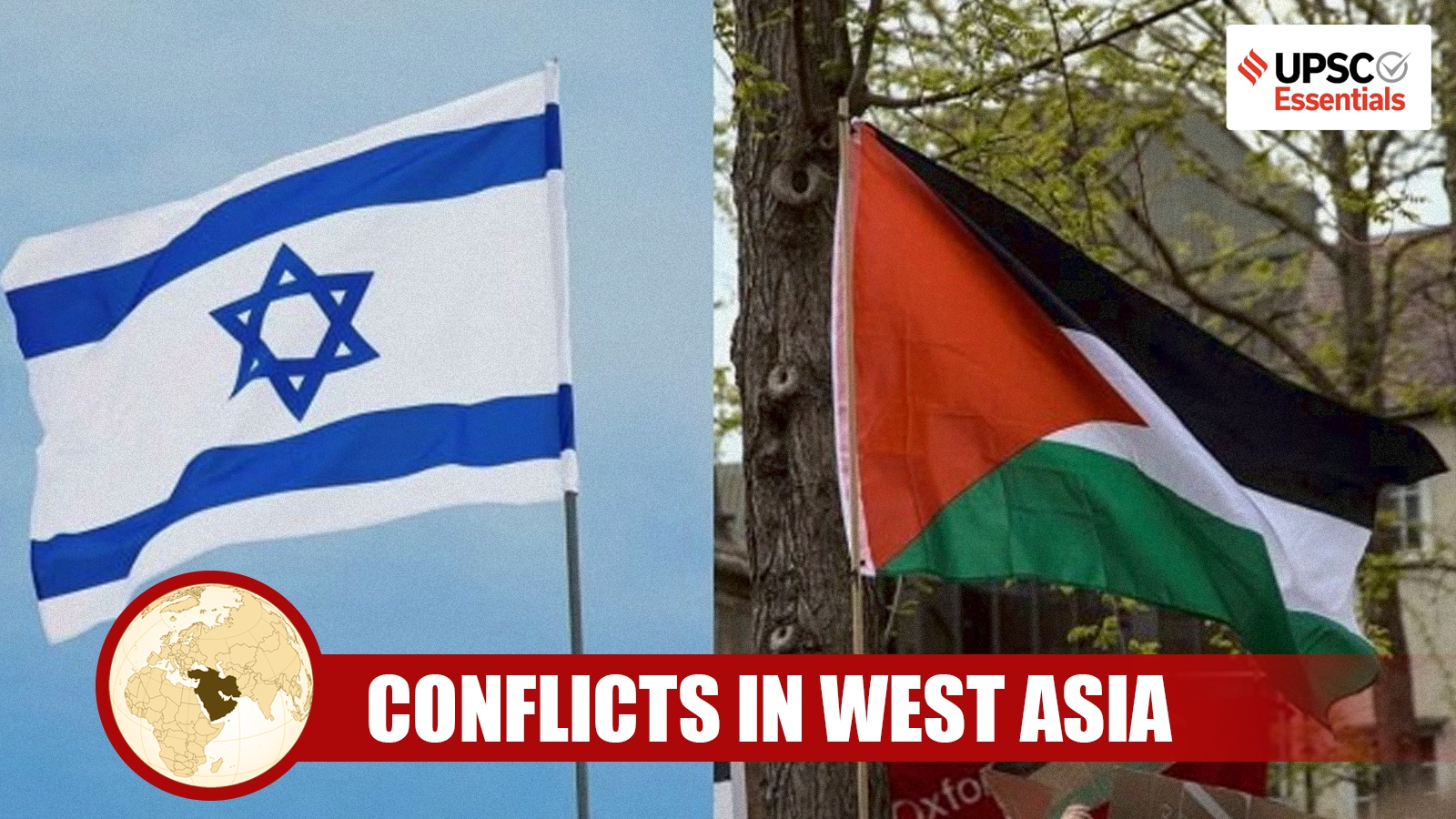
The ongoing West Asia conflict is starting to influence global markets, and India’s real estate sector is not immune to its effects. Industry bodies like CREDAI and NAREDCO have warned that if the situation continues for a prolonged period, it could lead to an increase in construction costs and eventually push up home prices across the country.
The West Asia conflict has already disrupted key supply chains and increased uncertainty in global trade routes. Since many construction-related materials and fuel costs are linked to international markets, even a regional conflict can have far-reaching consequences for the real estate industry.
Why the West Asia Conflict Could Raise Construction Costs
One of the biggest impacts of the West Asia conflict is on the cost of raw materials and transportation. Materials such as steel, aluminium, tiles, and other construction essentials are either imported or influenced by global pricing. When geopolitical tensions rise, fuel prices often increase, making logistics and transportation more expensive.
Developers are already seeing early signs of cost pressure due to higher input prices. If the West Asia conflict continues, these costs may rise further, increasing the overall expense of building residential and commercial projects.
This situation could eventually lead developers to revise property prices upward to maintain profitability, directly impacting buyers.

Impact on Homebuyers and Property Market
For homebuyers, the ongoing West Asia conflict could mean higher property prices in the near future. When construction costs rise, developers typically pass on a portion of the increased expenses to buyers, especially in under-construction projects.
There is also a possibility of project delays if supply chain disruptions worsen. This could affect delivery timelines and slow down new project launches in some regions.
However, experts believe that the Indian real estate market remains relatively stable for now, as a large portion of construction materials is produced domestically. The real impact will depend on how long the West Asia conflict continues.
What This Means for Real Estate Investors
The West Asia conflict highlights how global geopolitical events can directly influence local real estate markets. Investors often track such developments closely, as they can affect both construction costs and long-term property value trends.
If costs continue to rise, early investments in real estate could prove beneficial, as property prices may increase gradually over time. On the other hand, prolonged uncertainty may also make some buyers cautious in the short term.
At Bricklet, we help buyers and investors stay informed with verified listings and real-time market insights. If you are planning to invest in property, you can explore:
- Apartments for sale – https://bricklet.in/apartments-for-sale
- Flats for sale – https://bricklet.in/flats-for-sale
- Flats in Guwahati – https://bricklet.in/flats-in-guwahati
You can also visit https://bricklet.in
to explore more property options and read the latest real estate updates.
.
Final Thoughts
The ongoing West Asia conflict serves as a reminder of how interconnected global and local markets have become. While the immediate impact on India’s real estate sector may be moderate, a prolonged conflict could lead to rising construction costs and higher property prices.
For homebuyers and investors, staying informed and making timely decisions will be key to navigating the changing market conditions.